Step into the enchanting realm of plants, where secrets await discovery and wonders unfold. From the intricate patterns on a leaf to the majestic canopies of ancient forests, the world of plants is full of mystery and awe-inspiring beauty. Explore the fascinating stories and surprising benefits hidden within the botanical world.
At Harmony Eco-Retreat, sustainability is not a feature — it's a philosophy. Every aspect of our retreat is thoughtfully designed to respect and preserve nature while supporting local communities and future generations.
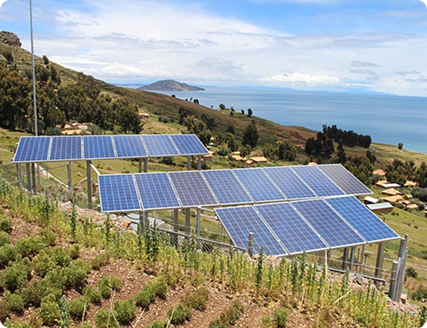
Our eco-friendly accommodations are crafted with locally sourced materials, minimizing our carbon footprint and blending seamlessly into the natural surroundings. Our team is dedicated to reducing waste, conserving energy, and promoting environmentally responsible practices. By choosing Harmony Eco-Retreat, you're supporting a sustainable future for our planet. Our retreat offers a range of activities, from nature walks to eco-workshops, designed to educate and inspire guests to live more sustainably. Join us in our mission to protect the environment and preserve the beauty of nature for generations to come.

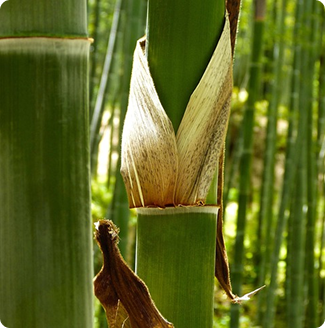
Green infrastructure involves designing and implementing green spaces like parks, gardens, green roofs, and green walls to mimic natural processes and provide ecosystem services. By incorporating vegetation, soil, and other natural elements, green infrastructure can help filter pollutants, reduce flood risk, and improve air quality, while also enhancing biodiversity and community well-being. Effective green infrastructure can transform urban landscapes, making them more resilient, sustainable, and livable for both people and the environment.
Our retreat is built with the earth in mind:


Sustainable food systems prioritize environmentally conscious practices, social equity, and economic viability to produce, process, distribute, and consume food. This approach focuses on preserving natural resources, reducing greenhouse gas emissions, and promoting biodiversity. Sustainable food systems support local farmers, foster community engagement, and ensure access to nutritious food for all.
Some key aspects of sustainable food systems include:
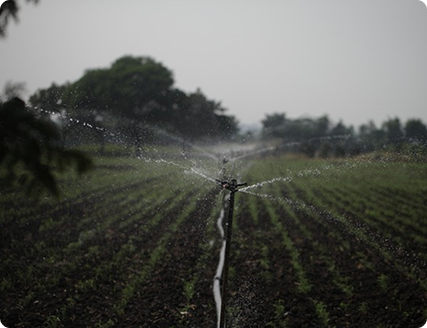

Effective water conservation and management are crucial for ensuring the sustainability of this vital resource. By adopting efficient practices and technologies, we can reduce water waste, protect aquatic ecosystems, and ensure equitable access to clean water for all. Water conservation involves reducing consumption through efficient appliances and practices, while management focuses on sustainable use, treatment, and reuse of water resources. Implementing these strategies can help mitigate the impacts of climate change, support economic development, and safeguard public health.
Key Strategies for Water Conservation & Management:
